

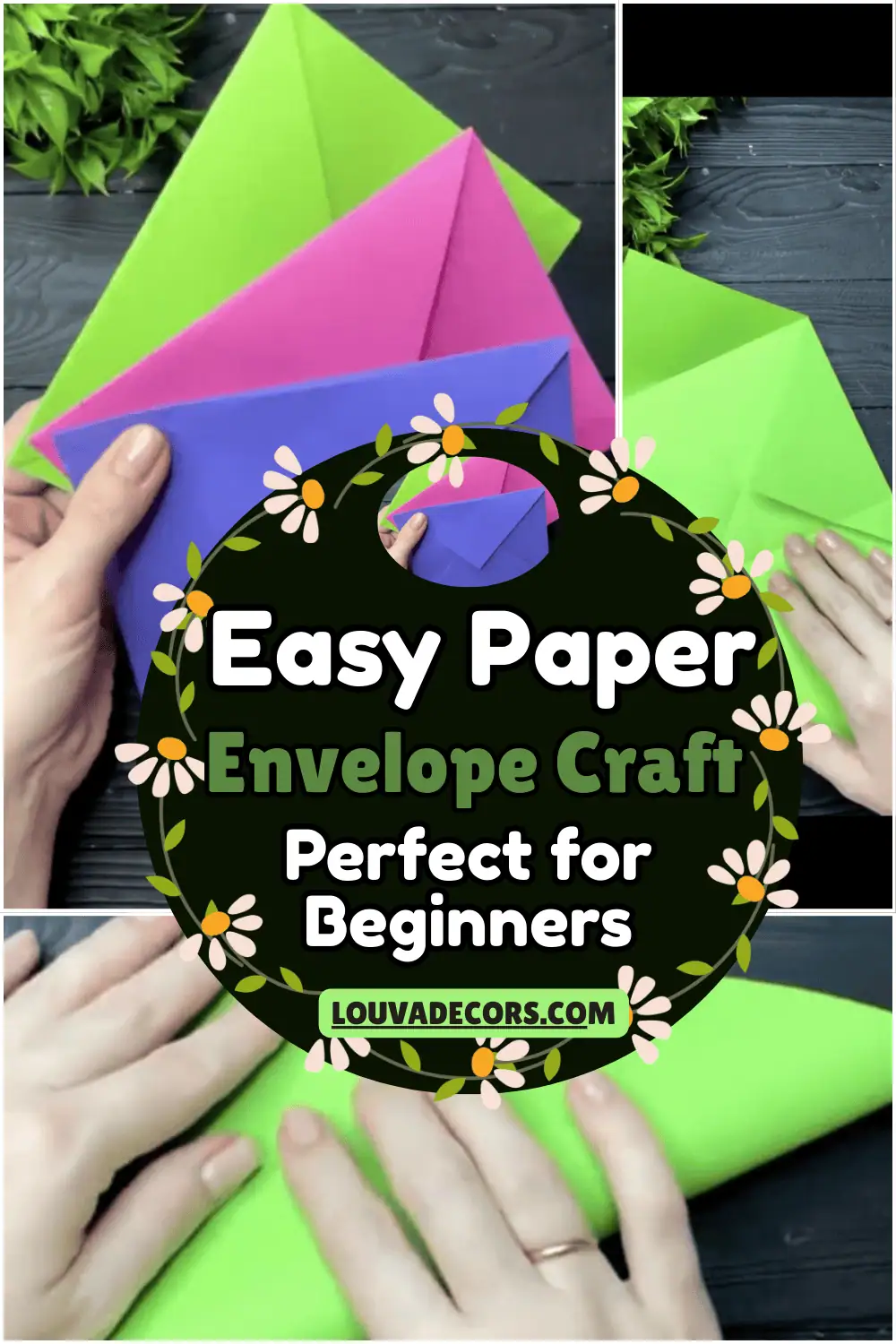
Picture this: a beautifully folded paper envelope sitting on your table, ready to hold a heartfelt note or a favourite photo. It looks like something from a boutique stationery shop. It feels thoughtful and personal. And you made it yourself from a single sheet of paper, with your own two hands.
You do not need any crafting experience to make this. Not even a little. By the end of this post, you will have a full written tutorial, a video to watch, and the confidence to fold your very first handmade paper envelope start to finish.
All you need is one sheet of paper, something to score your folds (a bone folder or the back of a spoon works wonderfully), and about 10–15 minutes. That is it.
Why You Will Love This Project
This paper envelope craft is one of the most beginner-friendly projects on the blog; there is no cutting required, no glue needed, and no special tools. It looks like it took real skill, but costs almost nothing to make. Tuck a handwritten note inside and it instantly becomes a meaningful, handmade gift that anyone would be glad to receive. A step-by-step video is included below so you can watch every fold before you try it yourself.
What You Will Need
- One sheet of paper (A4, letter size, or any square/rectangular sheet) [or use a page from a magazine, wrapping paper, or scrapbook paper]
- Bone folder [or use the back of a spoon or a butter knife]
- Ruler [or use the edge of a hardcover book]
- Pencil (optional, for light fold guide marks) [any pencil will do]
- Adhesive or washi tape to seal the envelope (optional) [or use a sticker as a seal]
Total estimated cost: $0–$3 (most of these items you likely already have at home.)
All materials can be found at your local craft store or ordered online.
Video Tutorial
Watch the full tutorial above before reading the written steps. The written steps below match the video exactly so you can follow along at your own pace.
Step-by-Step Easy Paper Envelope Craft
Step 1: Choose and Prepare Your Paper
Start by choosing your sheet of paper. For your first try, a plain A4 or US letter sheet is perfect. It is easy to fold and you can see your creases clearly. Lay it flat on a smooth, hard surface like a table or a cutting mat. Make sure there are no wrinkles before you begin.
Pro Tip: Patterned paper or kraft paper gives your envelope a more polished, handmade look but save that for attempt number two once you have the folds down.
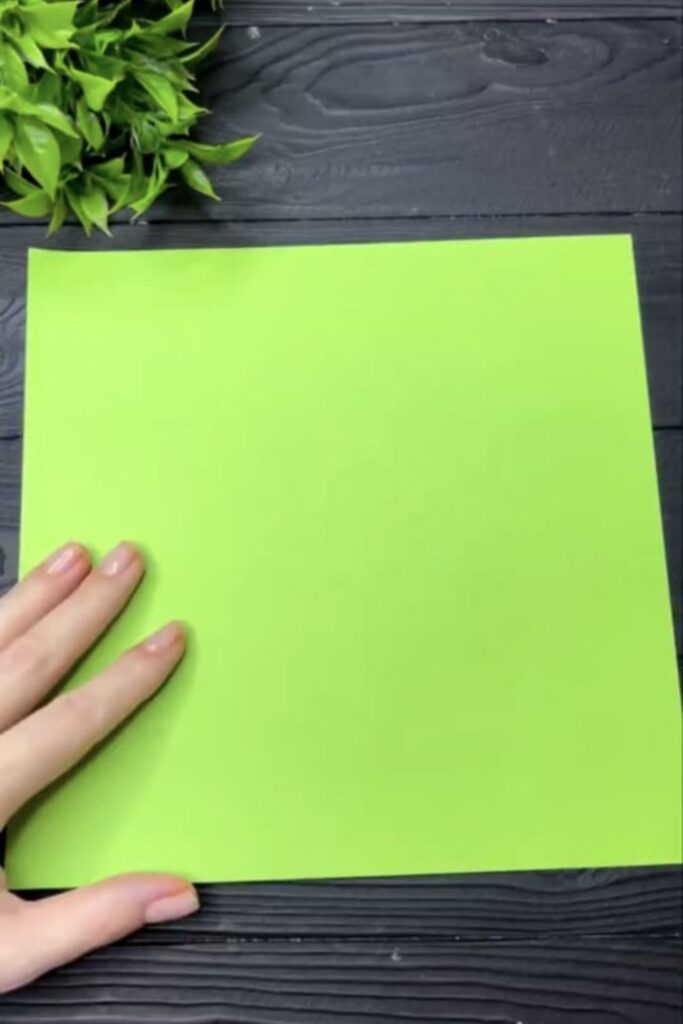
Step 2: Fold the Paper in Half Lengthways
Pick up your sheet and fold it in half along the long edge, bringing the bottom up to meet the top. Line up the corners as neatly as you can. Run your finger or your bone folder along the fold from the centre outward to press a sharp, clean crease. Unfold the paper and lay it flat again. You now have a horizontal centre guide line.
Pro Tip: Always crease from the centre outward to avoid air bubbles getting trapped under the paper.
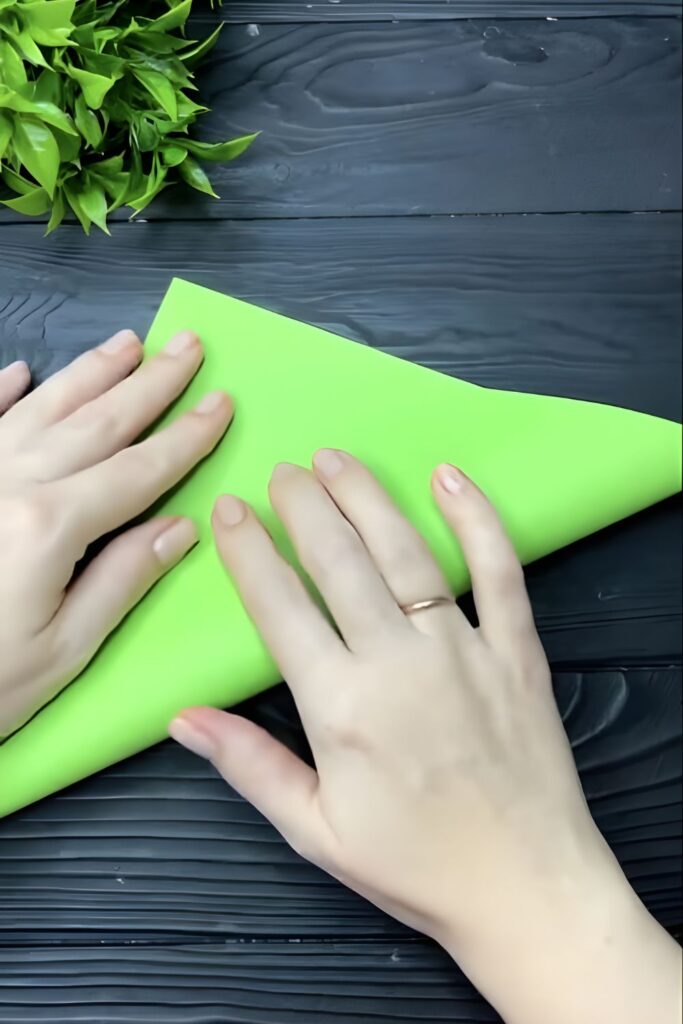
Step 3: Fold the Bottom Edge Up to the Centre Line
Fold the bottom edge of the paper up so it meets the centre crease line you just made. Press the fold down firmly with your bone folder. This creates the base of your envelope. It is okay if it is not perfectly aligned on your first attempt; small adjustments are completely normal at this stage.
Pro Tip: Hold the paper up to the light to check whether your fold lines up with the centre crease before pressing it flat.
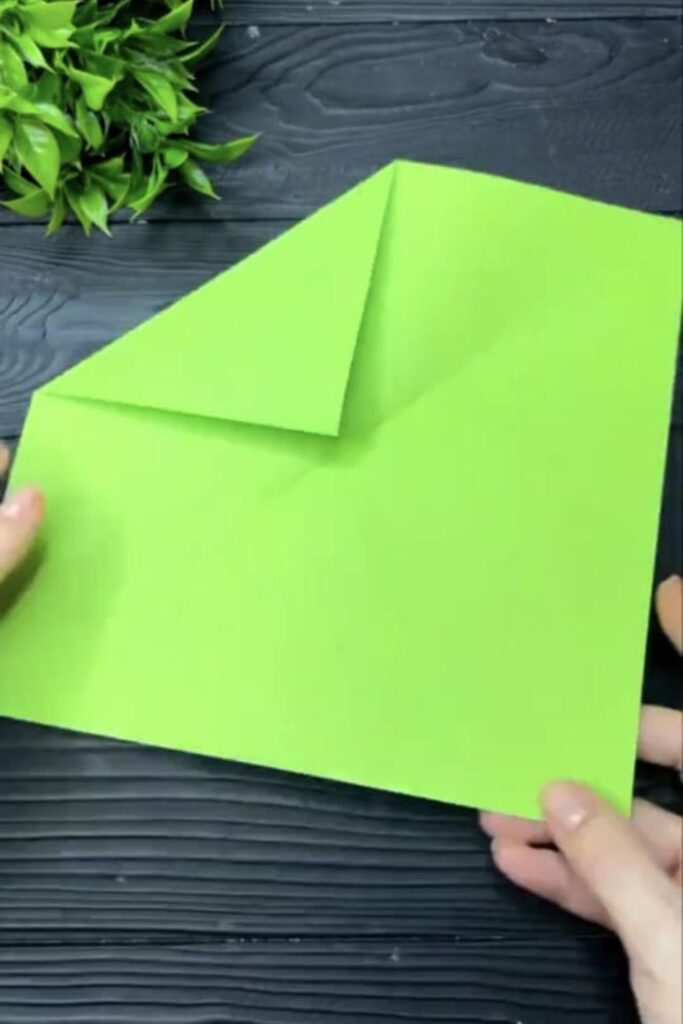
Step 4: Fold in the Side Flaps
Take the left edge of the paper and fold it inward toward the centre, roughly one third of the total width. Crease it firmly. Repeat on the right side, overlapping the left flap slightly. The two side flaps form the body of your envelope and hold the sides closed. Take your time lining them up so there is no rush.
Pro Tip: For a neat finish, fold one side first, mark where it lands with a light pencil dot, then fold the other side to match.
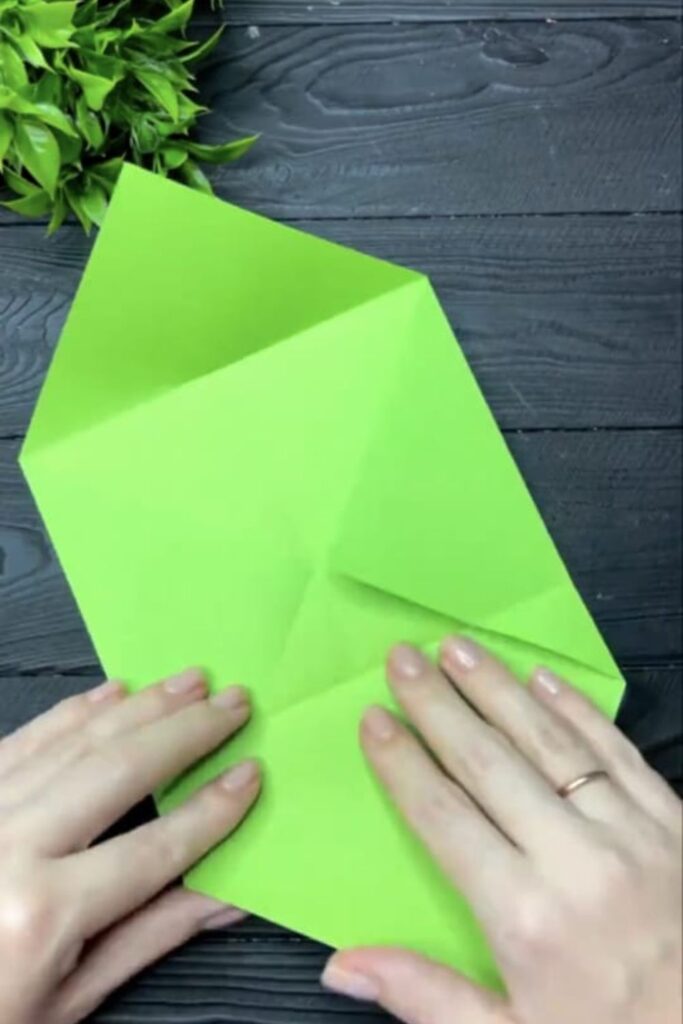
Step 5: Create the Pointed Envelope Flap
Unfold the side flaps back out flat. Now take the top edge of the paper and fold it down diagonally from the top left and top right corners toward the centre, forming a triangular point like the classic pointed flap of a traditional envelope. Crease both diagonal folds firmly.
Pro Tip: Use your ruler as a straight edge to guide the diagonal folds if your hands are finding it tricky to keep them even.
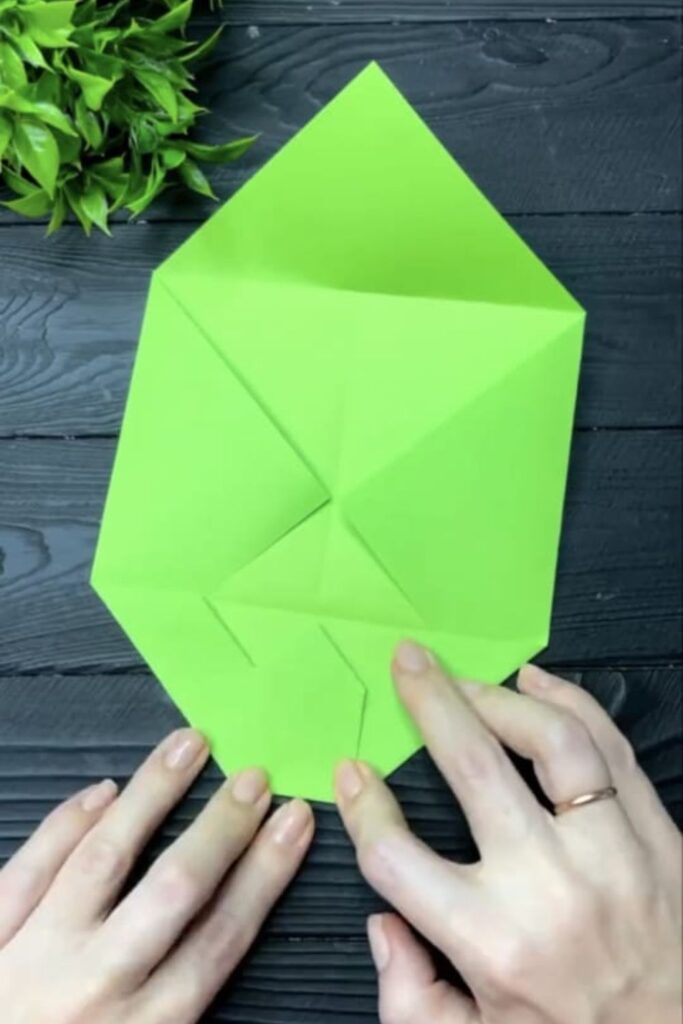
Step 6: Fold the Side Flaps Back In
Bring the side flaps back in, folding them over the bottom flap. Press each crease firmly. The envelope body is now taking shape; you should be able to see the pocket forming where your note or card will sit. Check that the sides are aligned and the bottom fold is secure.
Pro Tip: Run the bone folder along all four edges one more time at this stage to sharpen every crease and give your envelope a professional, crisp look.
Step 7: Fold Down the Pointed Flap to Close
Fold the pointed triangular flap down over the front of the envelope to close it. At this stage, do not glue or seal it first to check that everything looks even and that the pocket is the right size for what you want to put inside. Open and close the flap a couple of times to make sure it sits flat.
Pro Tip: If you want a decorative seal, press a washi tape strip or a round sticker over the flap point. It looks beautiful and holds the envelope closed without any glue.
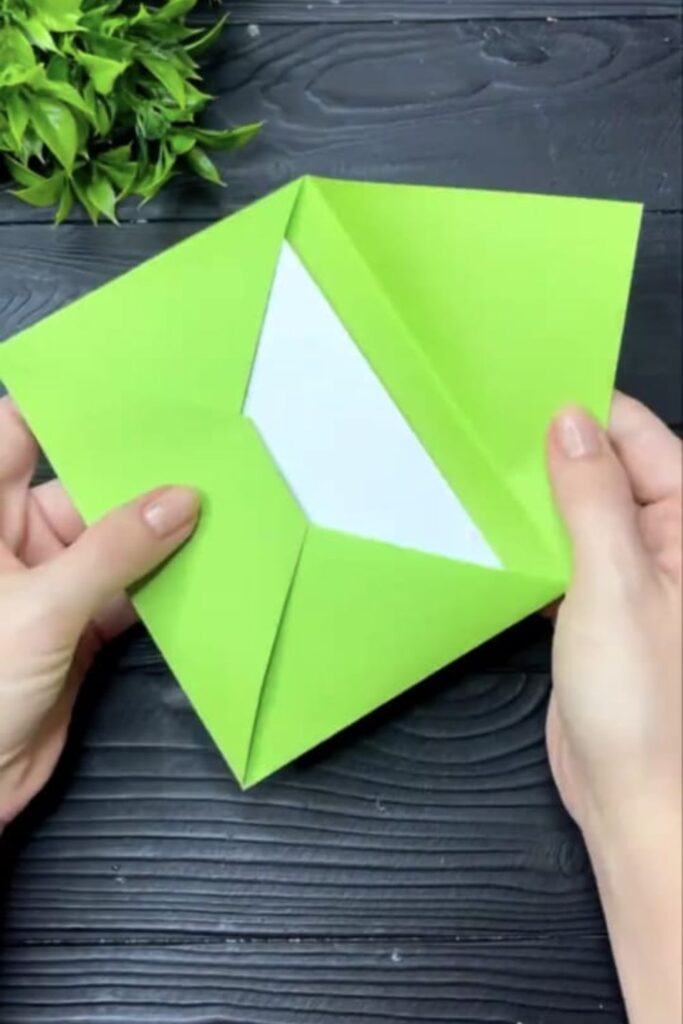
Step 8: Personalise and Fill Your Envelope
Open the flap and slide your note, card, or small gift inside the pocket. Close the flap and seal it however you like: washi tape, a sticker seal, or a dot of glue all work well. If you want to write a name on the front, use a fine-tip pen or marker for the cleanest result.
Pro Tip: Writing the recipient’s name in calligraphy or even your neatest handwriting on the front of the envelope makes it feel incredibly special. No experience needed!
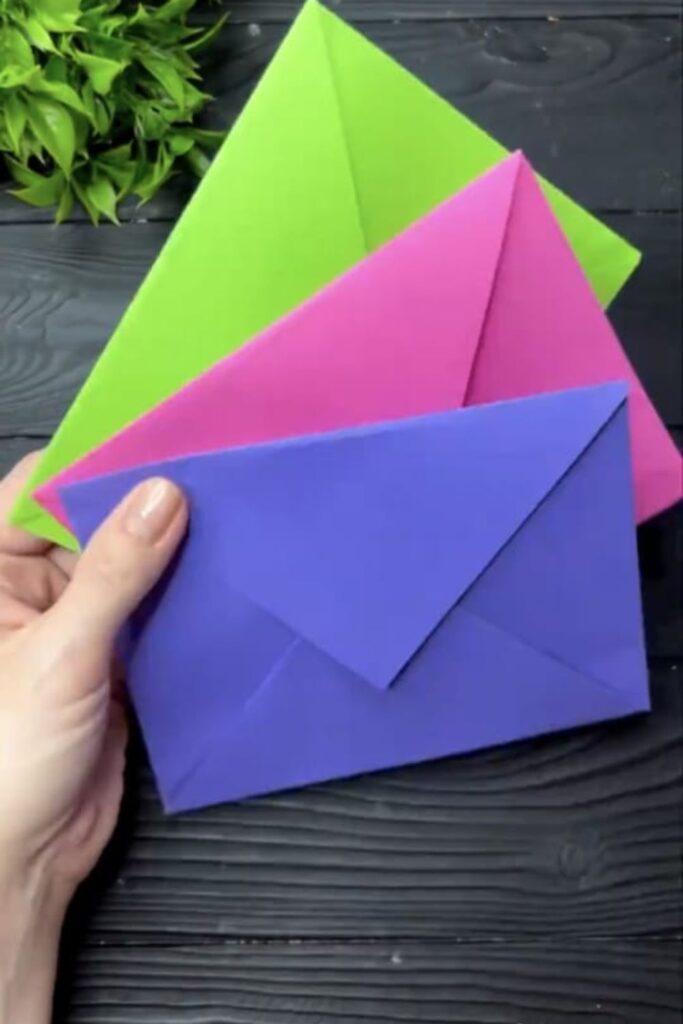
Tips and Tricks for the Best Results
Use paper with some weight to it. Standard printer paper works, but 80–100 gsm paper (slightly thicker) holds its shape much better and gives your envelope a more polished look. Scrapbook paper is a wonderful choice for gifting.
Creasing is everything. The sharpness of your folds determines how professional your finished envelope looks. If a crease feels soft or uneven, unfold it and refold before moving on. A bone folder makes a huge difference even a few attempts with one will show you why crafters love them.
Made a crooked fold? No problem. Paper is forgiving. Carefully unfold back to the last clean crease and start that step again. Most misfolded steps can be corrected without starting over completely. It is okay if it is not perfect, handmade is always beautiful.
Store your finished envelopes flat. Stack them between the pages of a heavy book or in a flat box to keep them from wrinkling before you use them. They will stay crisp and ready to give for weeks.
Make a batch at once. Once you have folded your first envelope, the steps feel natural. Set up an assembly line and fold five or six at a time they make brilliant additions to handmade card sets, party favour bundles, or gift wrap.
Ways to Use This Paper Envelope Craft
As home decor: Display a cluster of your handmade envelopes in a small tray or wall pocket on your desk or hallway table. Fill them with dried flowers, folded notes, or seed packets for a beautiful rustic display that suits farmhouse, cottage, and Scandi-inspired interiors.
As a gift: A handmade envelope filled with a heartfelt note, a gift card, or a few folded photos is one of the most thoughtful gifts you can give. It suits any occasion, birthdays, Christmas, Mother’s Day, Valentine’s Day, thank you notes and costs almost nothing to make.
As seasonal decor: Swap your paper choice to match the season. Use kraft paper and twine for autumn, red and gold patterned paper for Christmas, pastel florals for spring. Hang a string of folded envelopes on a garland for a gorgeous Advent or advent-calendar alternative.
Frequently Asked Questions
Q: How long does it take to make a paper envelope?
A: Your first envelope will take around 10–15 minutes as you get used to the folds. Once you have made two or three, you will find the whole process takes closer to 5 minutes. There is no rush, take it at whatever pace feels comfortable for you.
Q: What if I fold it wrong can I fix it?
A: Yes, absolutely. Paper is very forgiving. If a fold goes crooked or does not line up, gently unfold back to the last step that looked right and try again from there. Most mistakes can be corrected without starting the whole thing over. It is okay if it is not perfect. handmade always has a charm of its own.
Q: Where can I buy the materials to make this?
A: You likely already have everything you need at home, any sheet of paper works to get started. If you want to upgrade to prettier paper, check your local craft store, dollar store, or order scrapbook paper online. A bone folder can be found at craft stores or on Amazon for just a couple of dollars.
Q: Can I make this envelope any size I want?
A: Yes! The great thing about this folding method is that it scales with your paper. Use a larger sheet for a bigger envelope to fit a card, or a smaller square of paper for a tiny note envelope. The folding steps stay exactly the same only the size changes.
You Did It!
You have made something beautiful and you did it entirely with your own hands. A handmade paper envelope might seem like a small thing, but to the person who receives it, that extra care and thought means the world. Give yourself a moment to feel proud of what you have created today. Share your creation with us. We would love to see it! Tag us or drop a photo in the comments below.
Ready for your next project?
Happy crafting! LOUVADECORES

3 thoughts on “Easy Paper Envelope Craft Perfect for Beginners”