

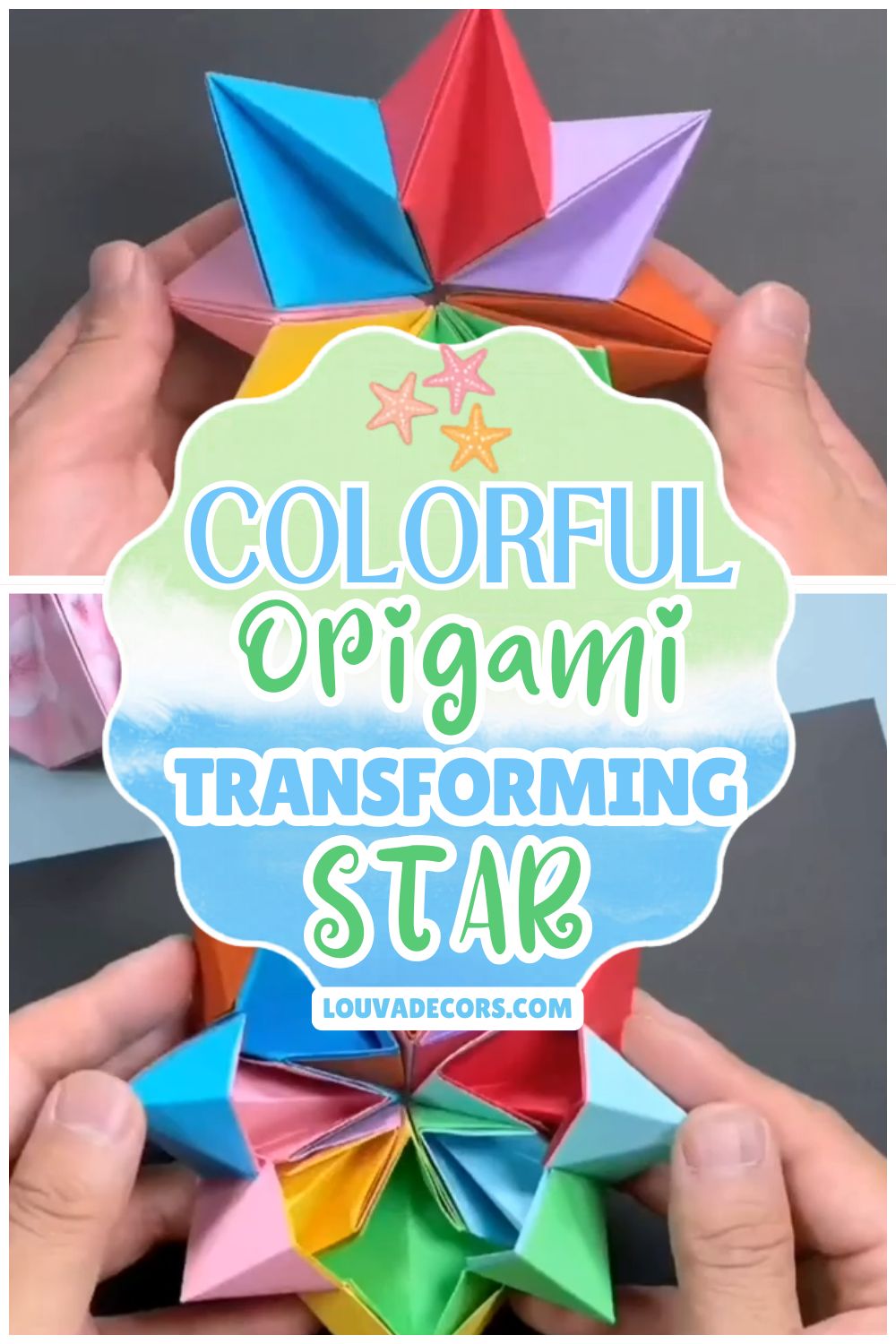
Imagine holding a colorful, geometric ring of paper that smoothly shifts, glides, and transforms into a stunning eight-pointed star right before your eyes. This modular origami transforming star is one of the most mesmerizing projects you can create at home. It looks like a complex piece of engineering, but it relies entirely on repetitive, simple folds that slot together effortlessly.
You do not need any experience with advanced paper folding to be successful with this project. It is completely natural to feel a bit intimidated by moving paper toys, but we are going to walk through each fold slowly together. If a corner is a millimeter off, your star will still slide and transform beautifully, so let your worries go.
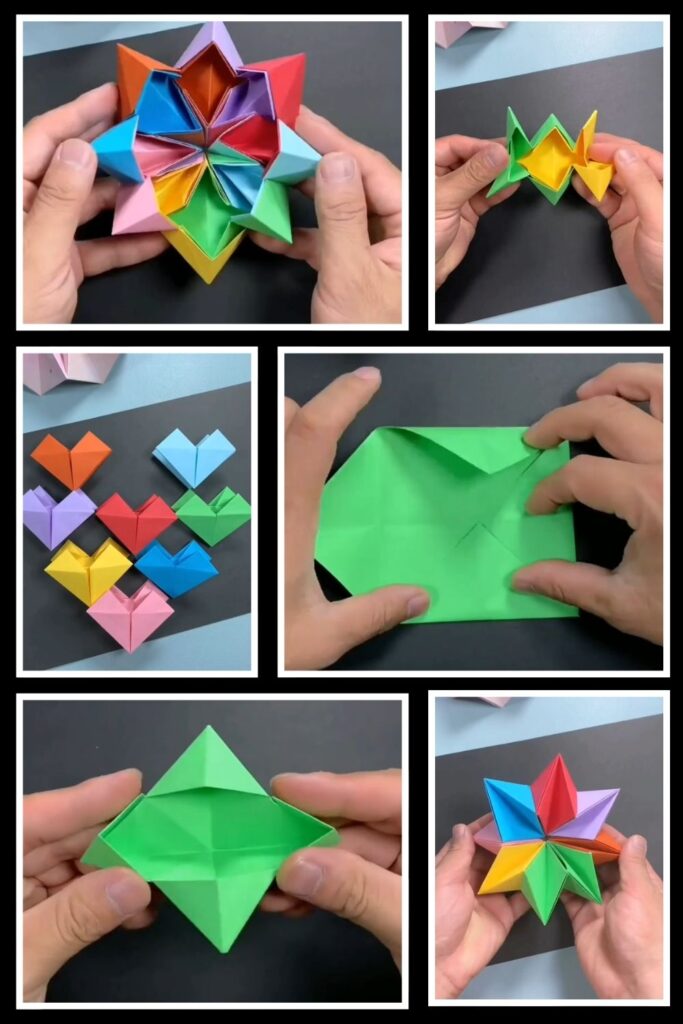
To bring this project to life, you only need 8 small square sheets of colored paper and about 15 to 20 minutes of your time. This budget-friendly activity introduces you to the wonderful world of geometric paper art without requiring expensive gear. Let’s get our paper ready and begin folding!
WHY YOU WILL LOVE THIS PROJECT
This beautiful modular origami transforming star looks like an expensive, store-bought kinetic sculpture but costs pennies to create. It offers a wonderful sensory experience as the pieces slide past one another, making it a fantastic homemade desk toy or stress reliever. Because it requires zero glue, scissors, or tape, you can easily clean up your workspace in seconds when you are done.
WHAT YOU WILL NEED
- 8 Square Sheets of Colored Paper.
All materials can be found at your local craft store or ordered online.
VIDEO TUTORIAL
Watch the full tutorial above before reading the written steps. The steps below match the video exactly.
STEP-BY-STEP INSTRUCTIONS
Step 1: Fold Diagonal and Horizontal Creases
Start with a single square sheet of paper and fold it in half from corner to corner in both directions. Open the paper flat, then fold it in half horizontally to create a cross of creases intersecting in the center. Press down firmly on the edges to make your creases as sharp as possible.
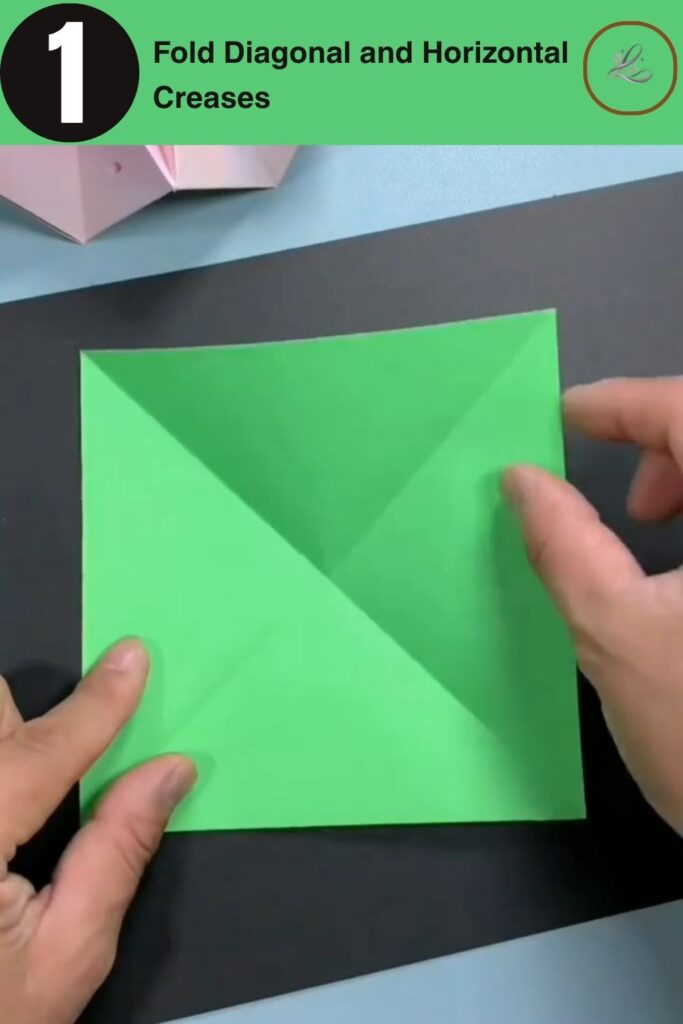
Pro Tip: Run the edge of your thumbnail along each fold to ensure clean, crisp lines, which makes the final assembly much easier.
Step 2: Fold the Top Corners Inward
Turn the paper so it sits like a diamond, then fold the top left and top right edges down to meet the center crease line. This action creates a pointed shape at the top, resembling the roof of a house. Keep the edges aligned perfectly with the middle line to maintain symmetry.
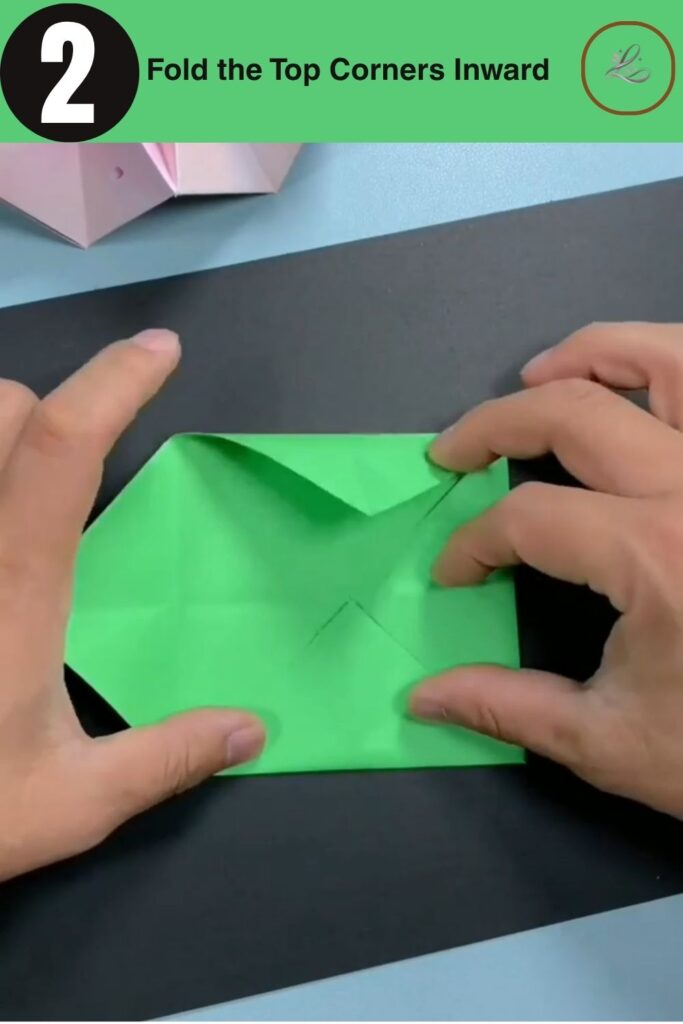
Pro Tip: Make sure the two folded edges do not overlap each other at the center line, or the paper will bunch up in later steps.
Step 3: Fold the Bottom Edges Inward
Unfold the top corners completely, rotate the paper, and repeat the process by folding all four outer corners into the center point to create an inner square. Press firmly on all four folds, then open the paper completely flat once more. You will see a grid of intersecting square creases inside the paper.
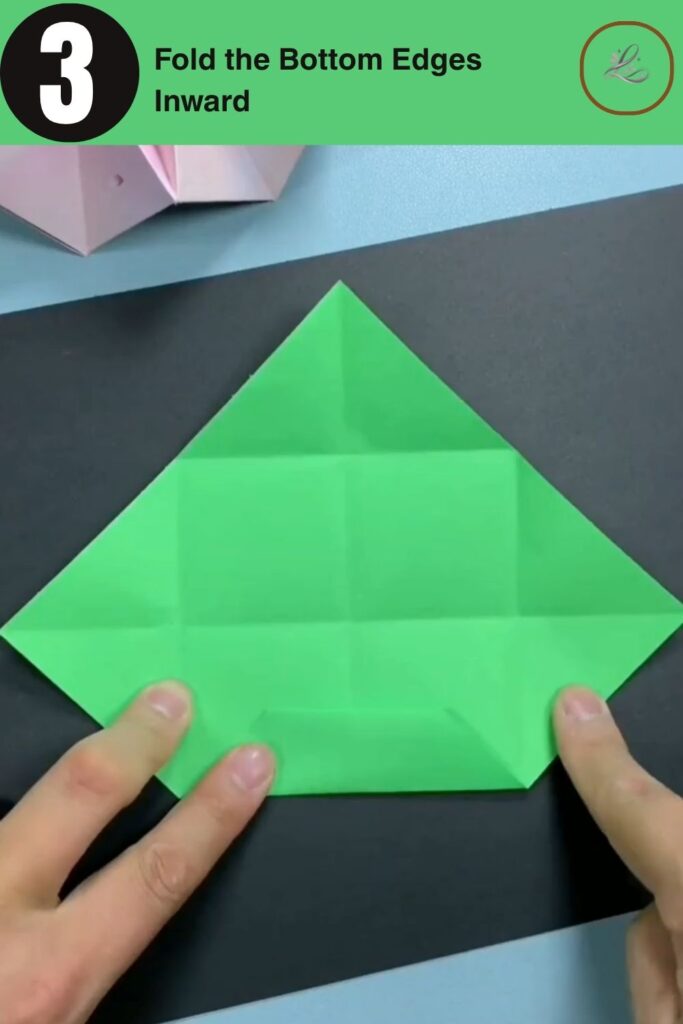
Pro Tip: If your paper resists opening flat, gently press the center point down with your index finger to release the tension.
Step 4: Collapse into a Pointed Unit
Fold the paper in half along your established center crease, allowing the side folds to naturally tuck inward and form a multi-layered point. Gently pinch the outer edges together to flatten the unit into a tight geometric profile. This shape forms one of the eight individual arms of your star.
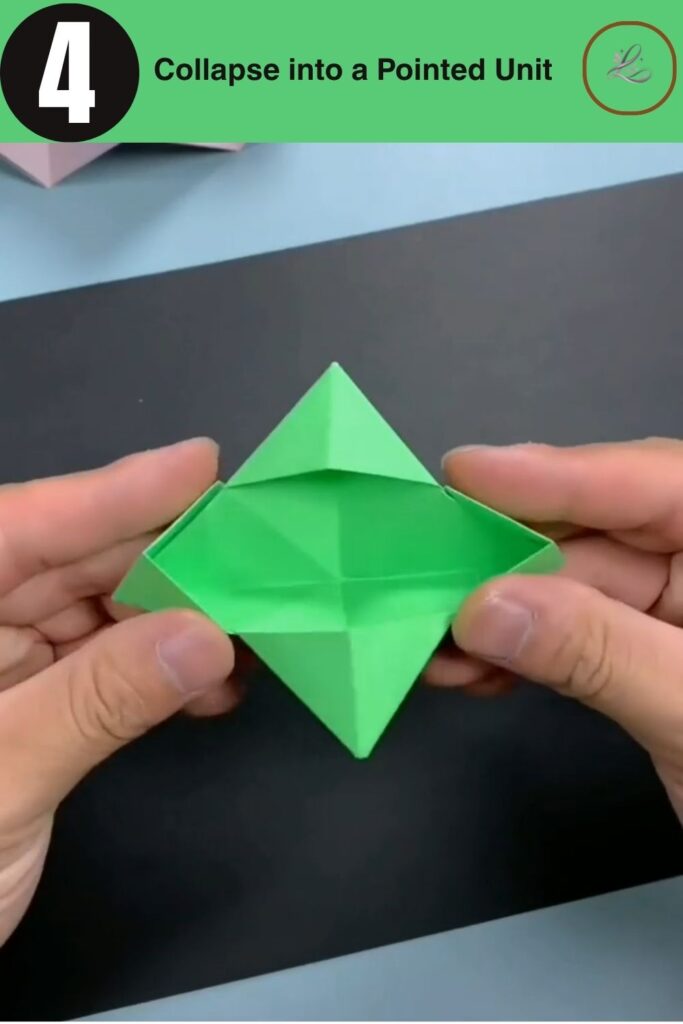
Pro Tip: If the side folds do not tuck smoothly, use your index finger to nudge the valley folds inward while flattening the outer walls.
- 20 Easy DIY Santa Crafts to Make This Christmas (Cheap & Adorable)
- Lovely Paper Pop Up Tulip Card Anyone Can Make
- Cute Paper Chinese New Year Garland Anyone Can Make
- Adorable Halloween Paper Hat Craft for Beginners
- Make Sweet DIY Flower Greeting Card for Loved Ones
Step 5: Repeat to Create Eight Units
Take your remaining seven sheets of colored paper and repeat Steps 1 through 4 until you have eight identical units. Arrange them in your preferred color order to prepare for the final interlocking assembly. Take your time during this repetitive phase to ensure every unit is uniform.
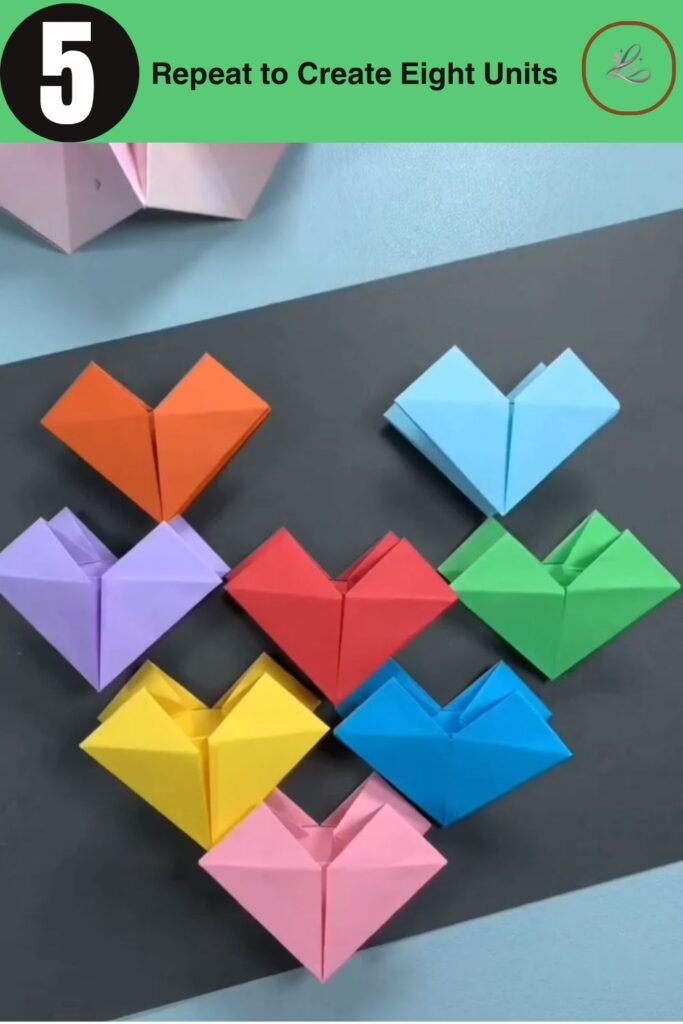
Pro Tip: Grouping your units in a rainbow gradient prior to assembly guarantees a balanced, gorgeous visual pattern when the star spins.
Step 6: Interlock the First Two Units
Slide the pointed end of your second colored unit directly into the open double-pocket side of your first unit. Hold the two pieces securely together, then look for the small protruding paper tips extending past the open edge.
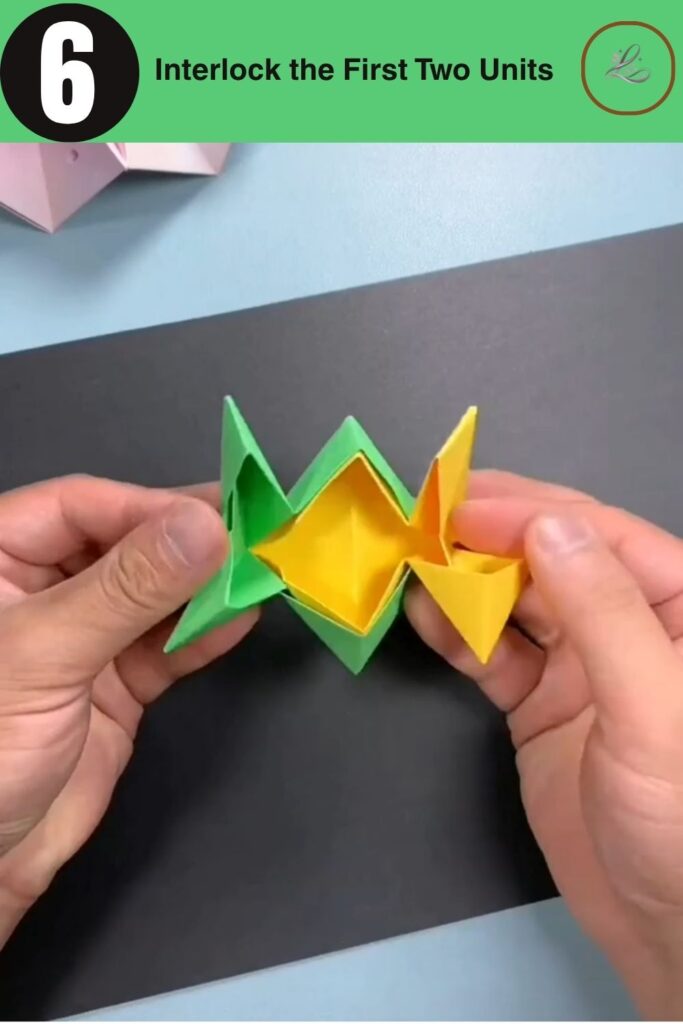
Pro Tip: Make sure the pointed unit is pushed entirely into the pocket before you proceed to locking the tabs.
Step 7: Lock the Paper Tabs
Fold the small extending paper tips down and tuck them neatly inside the inner pockets of the inserted unit. This locking mechanism anchors the two pieces together while allowing the inner track to slide freely. Give the pieces a tiny, gentle tug to confirm they are securely joined.
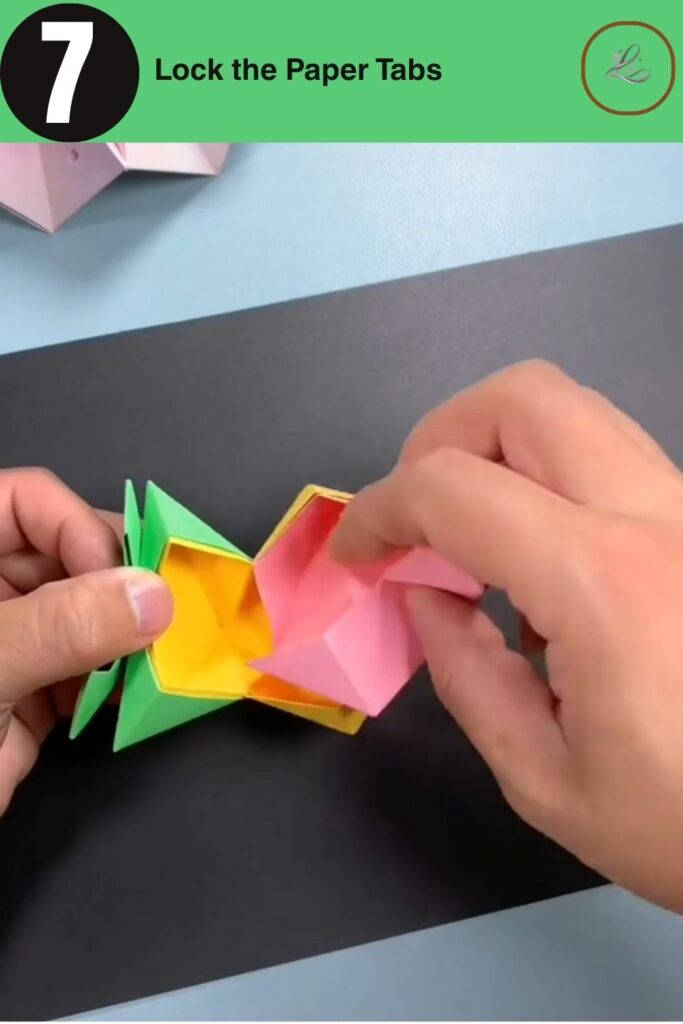
Pro Tip: Avoid folding these tabs too tightly or pulling hard, as a tiny bit of breathing room is required for the parts to glide later.
Step 8: Connect the Remaining Units into a Ring
Continue adding each new colored unit into the previous one, locking the tabs as you go, until all eight pieces are linked. Carefully guide the pointed end of the final eighth unit into the open pocket of the very first unit to close the loop. Tuck the final set of tabs firmly inside to complete your transforming star ring structure.
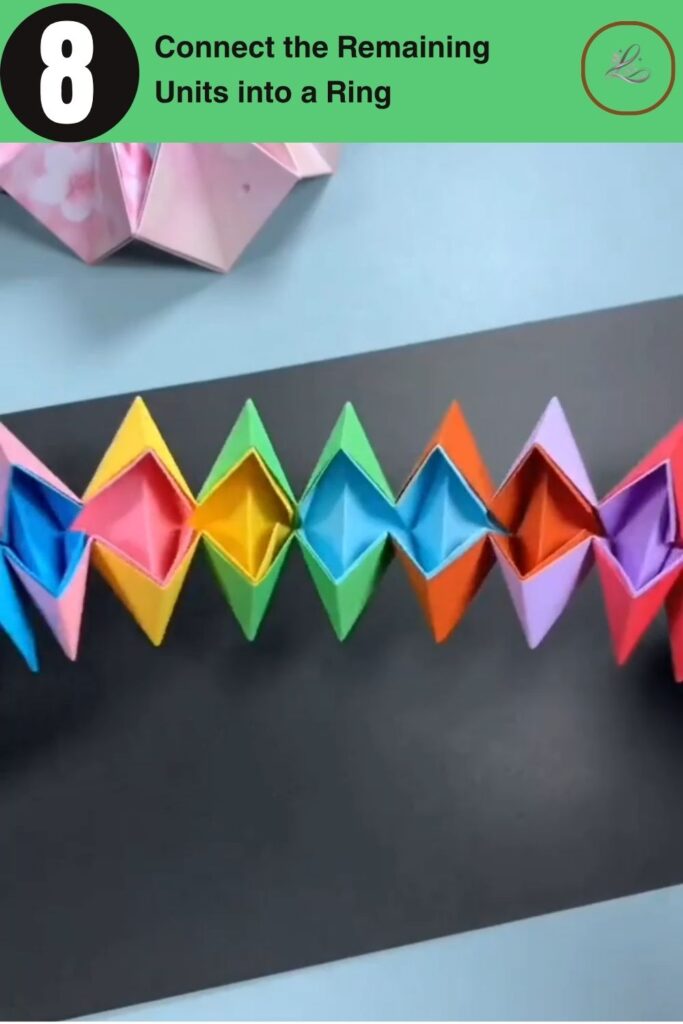
Pro Tip: When locking the final unit, hold the entire ring flat against your table surface to prevent the other joints from accidentally popping open.
TIPS & TRICKS
- What to do if the star jams: If your star resists sliding into its point formation, look inside the joints to check if a locking tab has uncurled. A loose tab will snag on the interior tracks and block motion.
- Paper weight matters: Use lightweight origami paper rather than thick cardstock. Cardstock creates bulky seams that generate too much friction, preventing the star from transforming smoothly.
- Loosen stiff joints: A brand-new star can feel stiff during the first transformation. Cradle the outer edges with both hands and gently compress the ring inward and outward a few times to break in the paper folds.
- Correcting loose connections: If a unit pulls out completely during use, the locking tabs were likely tucked into the wrong layer. Unfold the joint, locate the deep inner pocket, and make sure the tabs wrap securely over the outer edge and drop straight down into that internal cavity.
WAYS TO USE THIS CRAFT
This versatile paper creation serves multiple wonderful functions around your living space. Expand it completely into its wide ring form to use as a whimsical, bright centerpiece for a bedroom side table or desk. If you want to share the joy of handmade paper arts, pack this flat into an envelope as a creative interactive addition to a birthday card. You can even attach a small loop of clear string through one of the joints to hang it near a window, transforming it into a piece of geometric wall art that captures the morning light beautifully.
FREQUENTLY ASKED QUESTIONS
-
How long does this project take to complete?
This project generally takes between 15 and 20 minutes from start to finish. Folding the eight individual units consumes the most time, while the final interlocking assembly takes just a few minutes once you master the locking tab motion.
-
Where can I buy the materials for this project?
You can purchase basic square origami paper packs at your local craft supply shop, in the school aisle of most department stores, or through online retailers. You can also use regular computer paper cut into precise, matching squares.
-
Do I need glue to secure the modular origami pieces?
No glue is required for this classic modular design. The paper tabs fold over internal edges to lock everything securely together using friction and physics alone.
-
What is the best paper size for an origami transforming star?
The standard and most comfortable size for beginners is a 3-inch by 3-inch (7.5 cm) or a 6-inch by 6-inch (15 cm) square sheet. Going smaller than three inches makes folding the final locking tabs quite tedious for your fingers.
CLOSING
You have successfully completed your very own geometric paper masterpiece! Take a moment to admire the clean lines, the bright colors, and the magical way your folded shapes slide smoothly together. It is incredibly satisfying to turn flat sheets of paper into a moving kinetic toy. Ready for your next project? Try our Paper Flower Wall Decoration Easy DIY for Beginners next to keep your creative momentum going!
Happy crafting! LOUVADECORES
Follow us on: Pinterest
